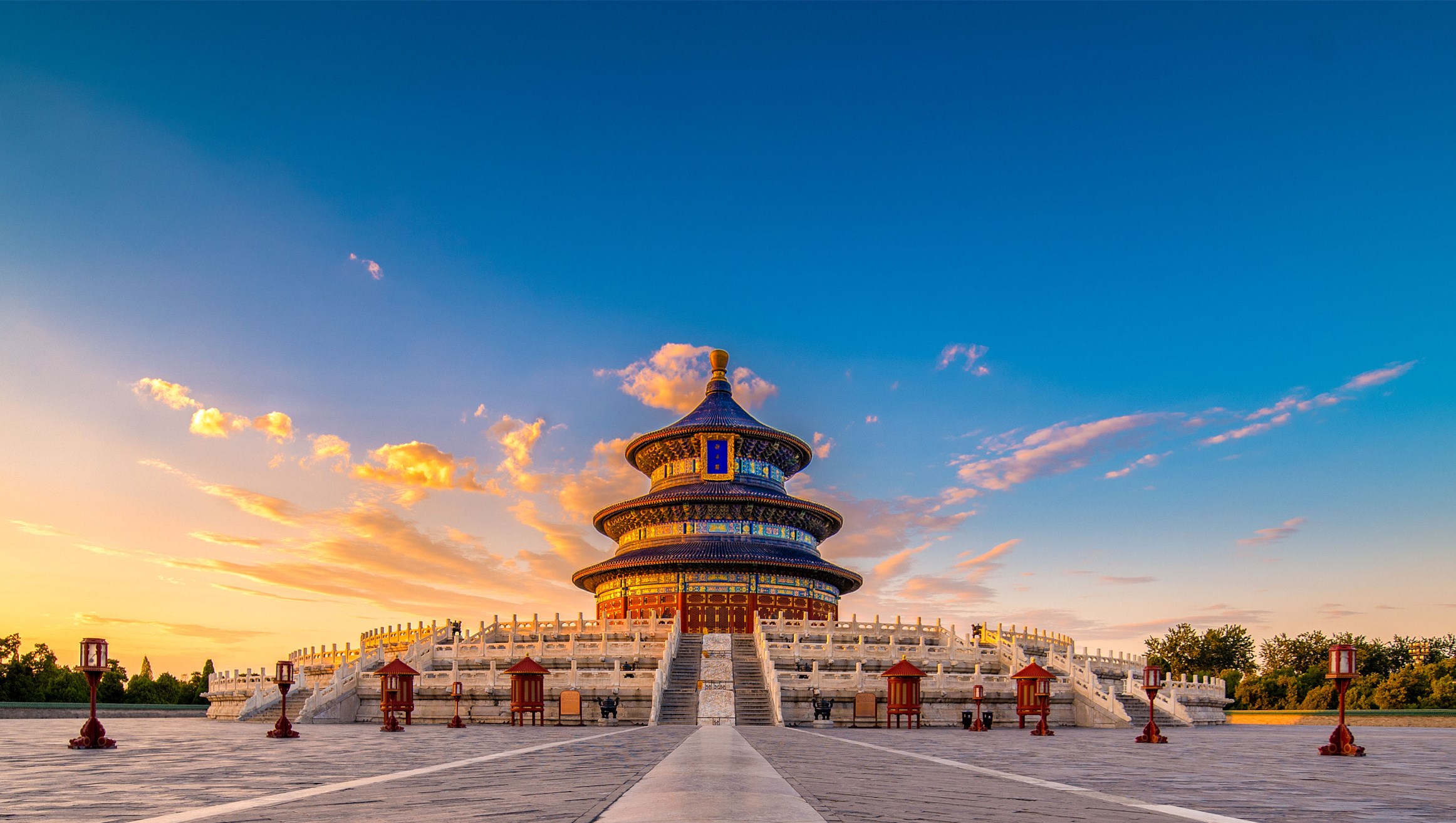
The Imperial Legacy: 72 Hours in the Heart of the Dragon
Big hank!
Itinerary
Day 1: The Seats of Power
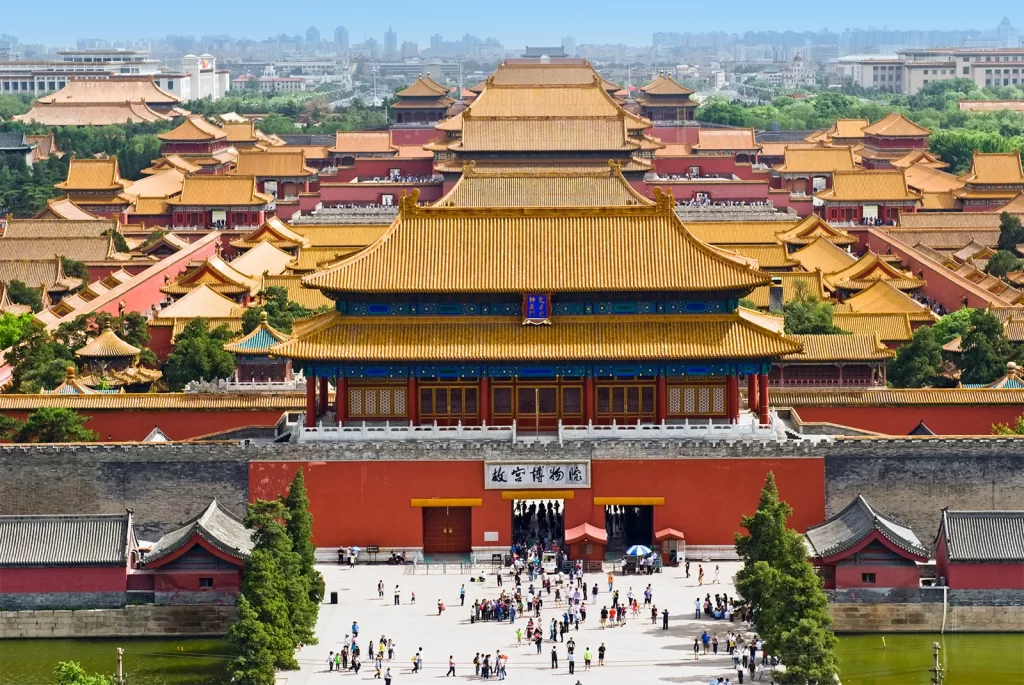
The Forbidden City (Palace Museum): This isn’t just a palace; it’s a 180-acre fortress of 9,999 rooms.. Built between 1406 and 1420, it served as the home to 24 Ming and Qing dynasty emperors. It famously houses 9,999 rooms. A symbolic number just shy of the 10,000 intended for heaven.
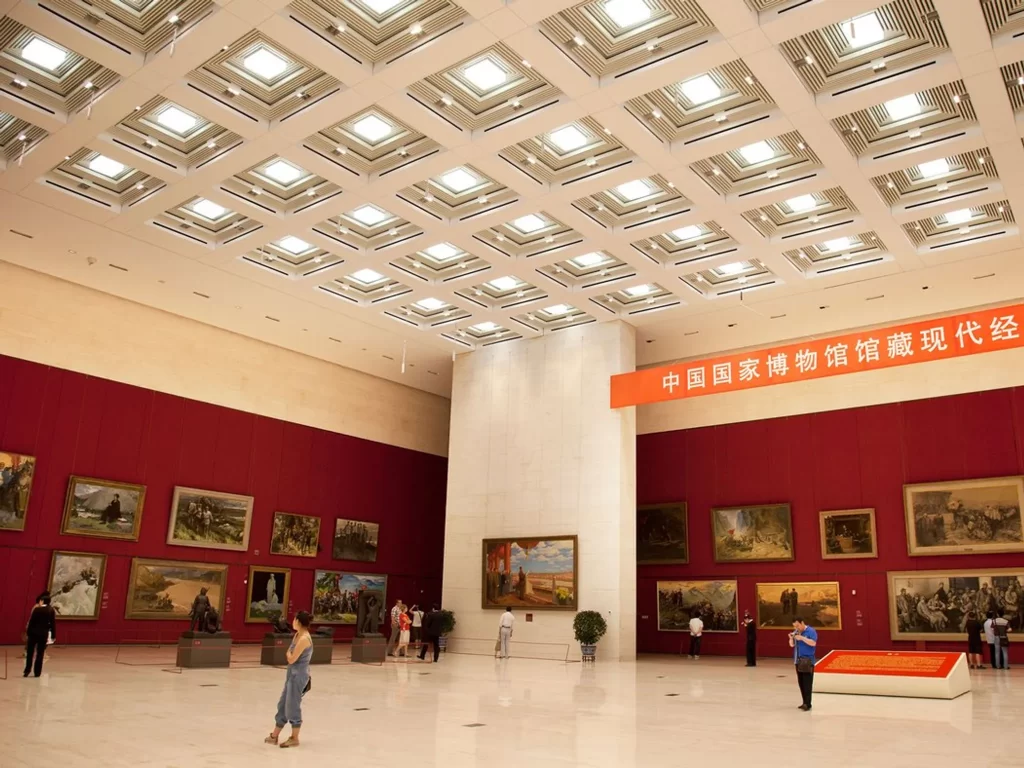
The National Museum of China: A haven of history, housing over 1.4 million artifacts, including ancient bronzes and imperial jade dating back to the Neolithic period and early dynasties like the Shang and Zhou (1600 B.C. to A.D. 220)
Day 2: Walls and Warfare
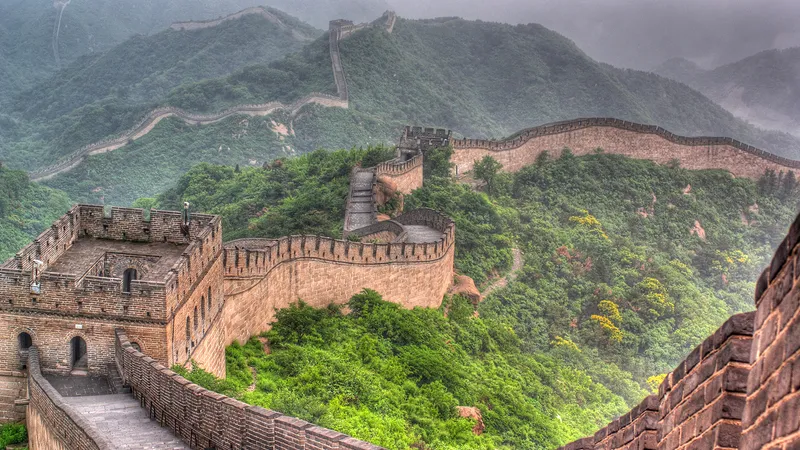
The Great Wall (Mutianyu Section)
(1.5 hour drive). If you loved the Liberty Bell and the massive scale of a battleship, you will love the massive scale of the Great Wall. The great wall is a 13,000 mile military piece machine. With the extent and greatness of this wall you can touch the same 600 year old bricks that Ming Dynasty soldiers defended. You can also explore hidden beacon towers which were used for smoke signal communication.
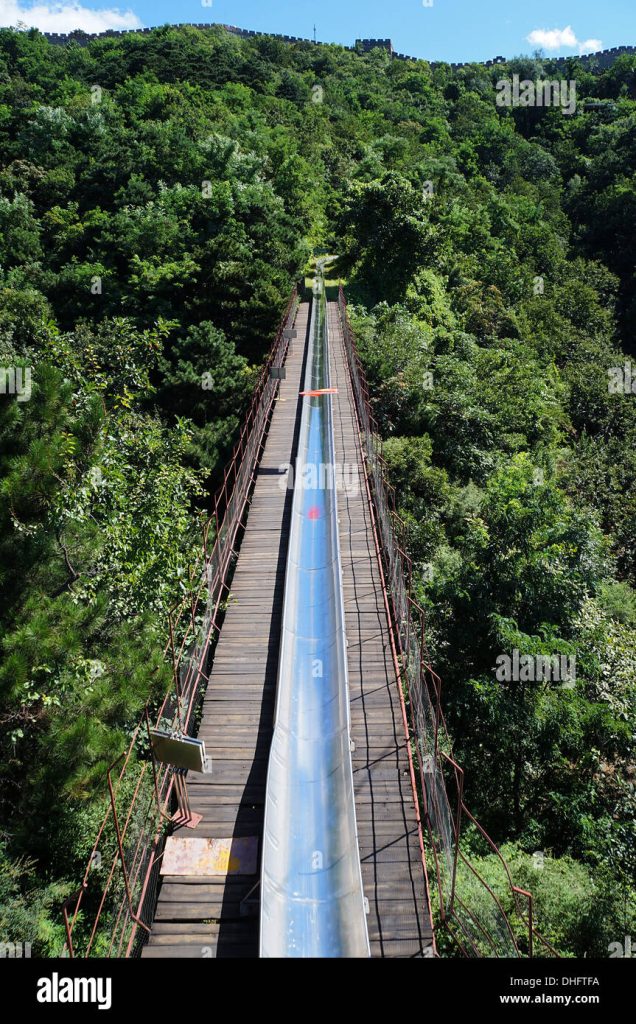
The Great Wall Toboggan
After hiking all the way up the wall, you don’t just walk back down, no that’s lame. You take the Mutianyu Toboggan, a 5,184-foot stainless steel slide that snakes you down the great walls and mountains with beautiful scenery!
Day 3:The Wild Wall & Night Lights
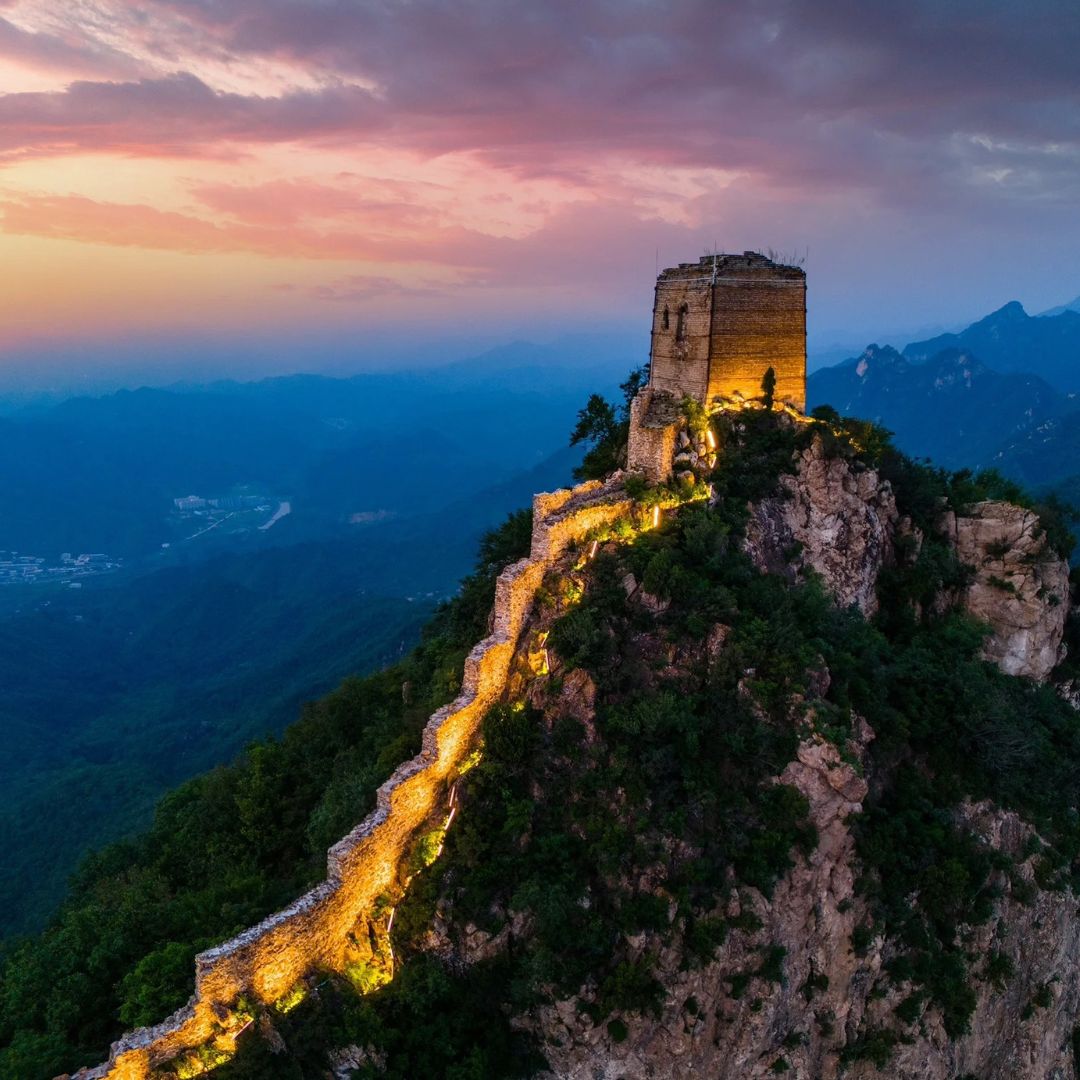
The Strategy of the Cliffside:
Start your morning at the Simatai section of the cliff. While other parts of the wall are wide enough for five horses to ride abreast, Simatai is famous for being incredibly narrow and steep, during the climb you’ll see slivers of history dating back to ancient chinese dynasties and kingdoms.
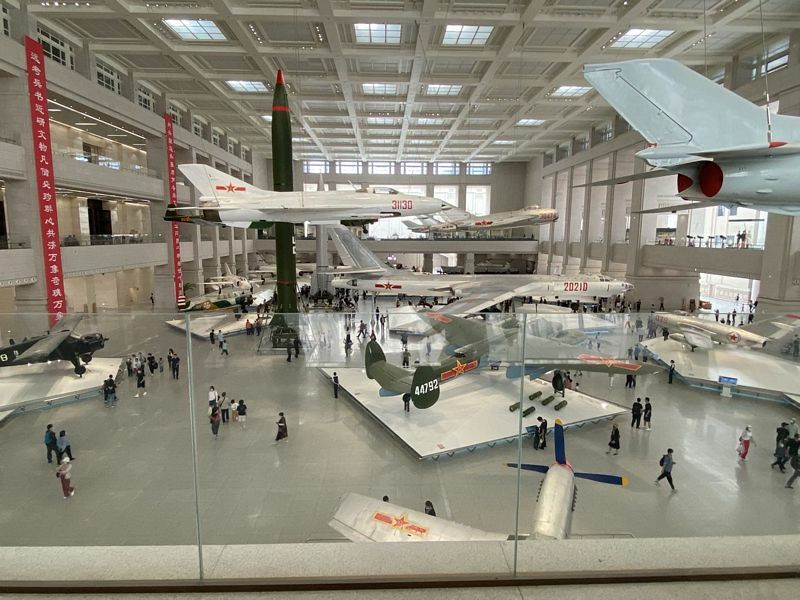
The Military Museum of the Chinese People’s Revolution:
Located in a massive, Soviet style building, the museum features a amazing underground hall filled with thousands of military and war artifacts, this includes captured tanks, jets, and even the wreckage of a US U-2 Spy plane!
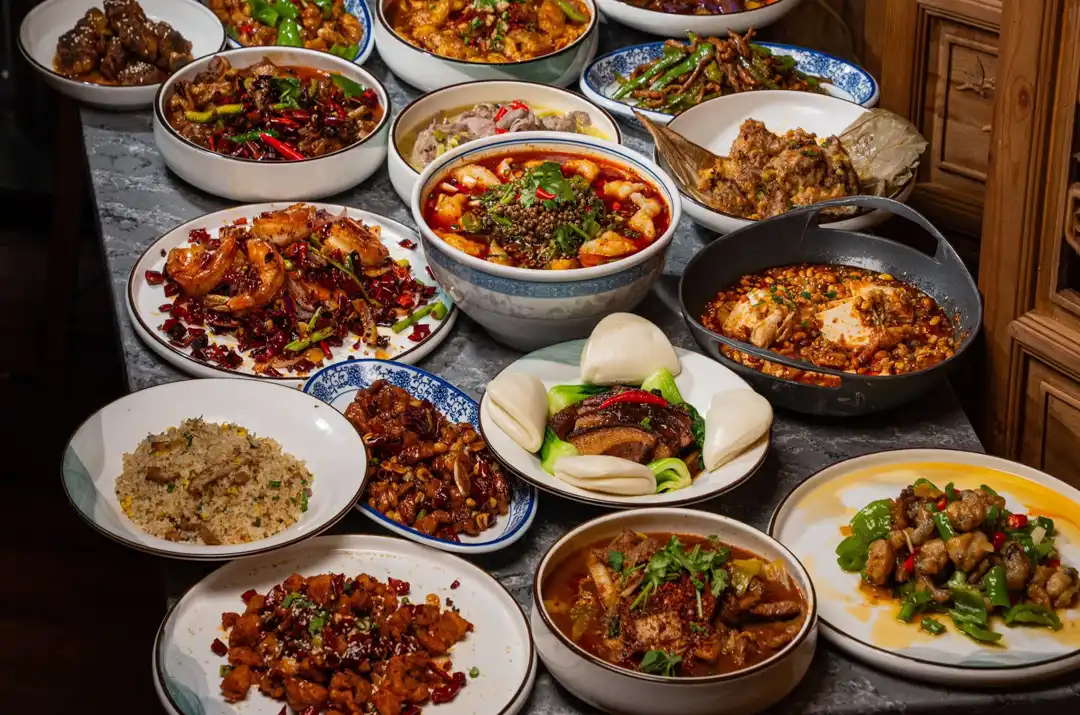
The Cuisine: A Feast for Emperors
Chinese cuisine is one of the world’s oldest continuous culinary traditions, having evolved over more than 5,000 years through a series of dramatic historical shifts. Its foundations were laid in the Neolithic era with the domestication of rice in the south and millet in the north, establishing a geographic food divide that persists today.
🍱 The Imperial Table: Dining Like a Dynasty
These dishes were once reserved for the Forbidden City, designed for emperors but now available to you all across Beijing:
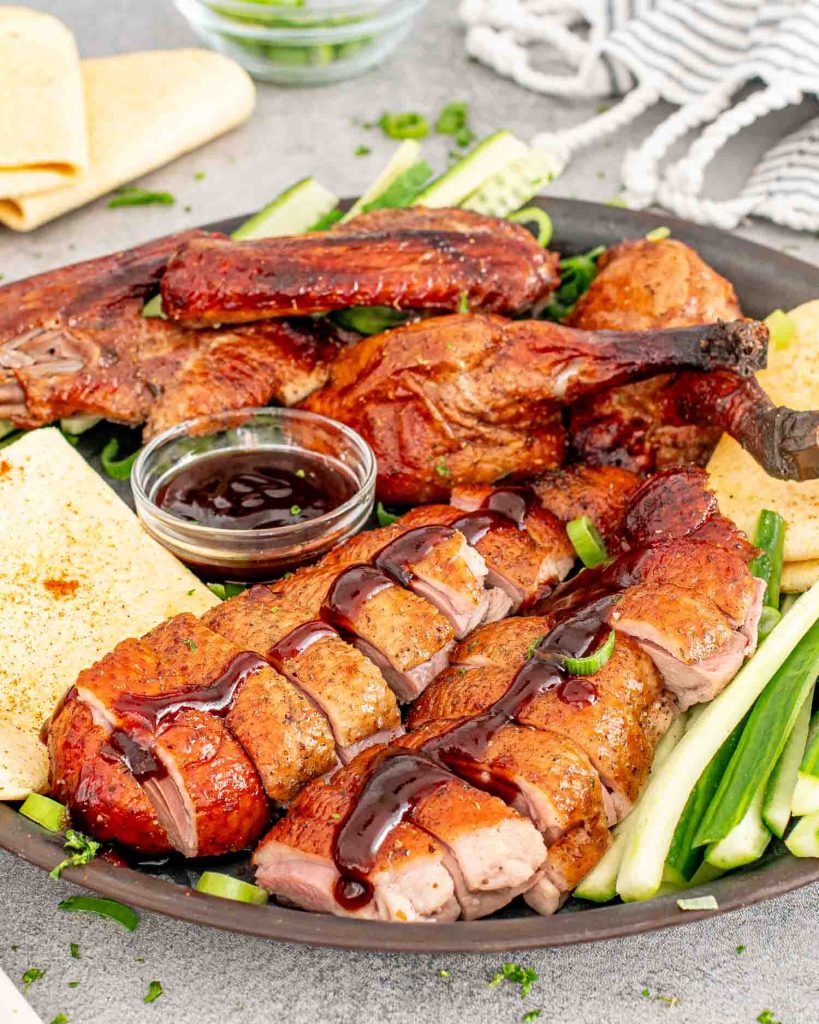
Peking Duck: Originally a Ming Dynasty royal luxury. The crispy skin is air-dried and roasted over fruitwood, traditionally served with thin pancakes and hoisin sauce.
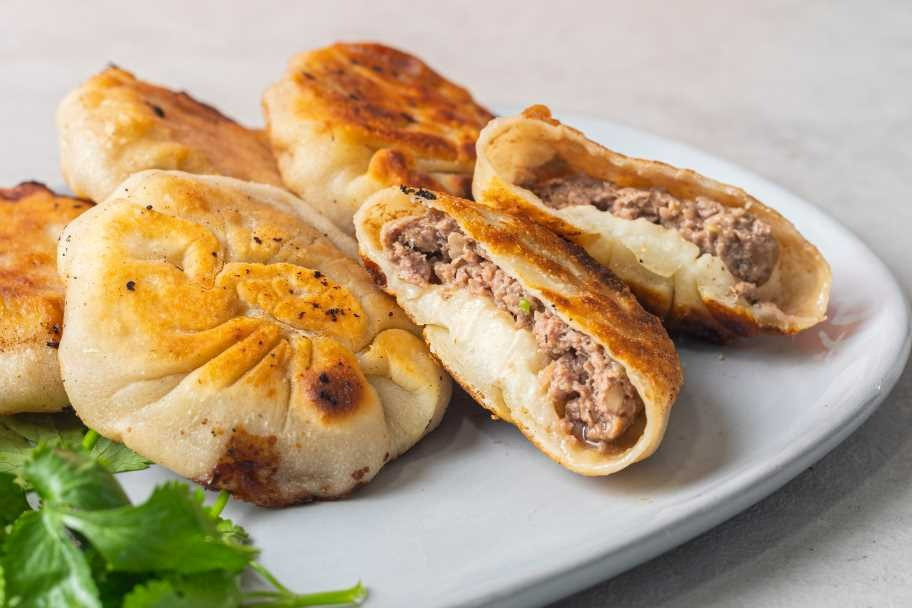
Door Nail Meat Pies (Mending Roubing): Hearty beef pies named for the massive bronze studs on palace gates. They are crispy on the outside and filled with savory broth.
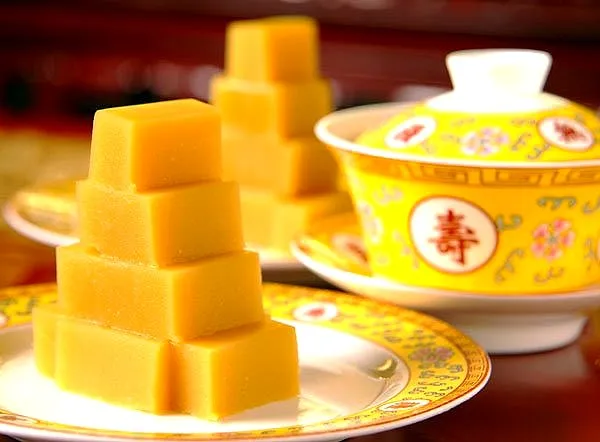
Pea Flour Cake (Wan Dou Huang): A delicate, chilled yellow cake that was a personal favorite of Empress Dowager Cixi.
🏮 Hutong Fuel: Iconic Street Snacks
Hearty fuel for the common people that has survived for centuries:
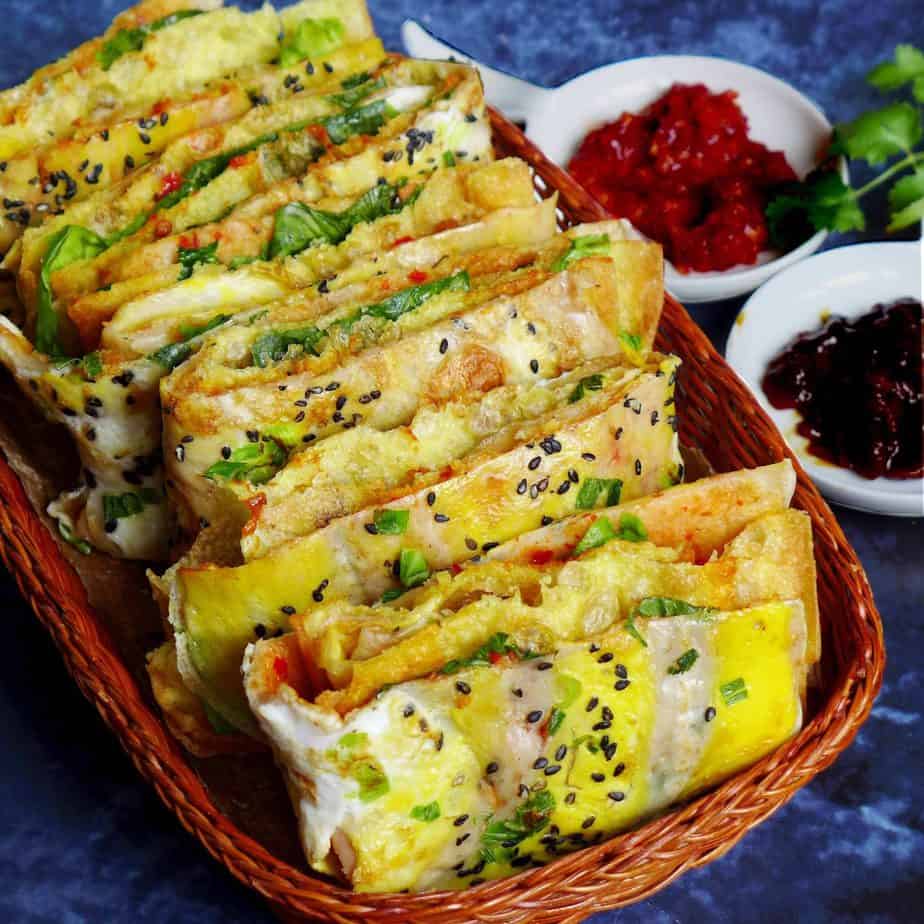
Jianbing: A 2,000-year-old breakfast crepe filled with egg, cilantro, and a crispy cracker (baocui). Legend says soldiers first cooked it on their bronze shields.
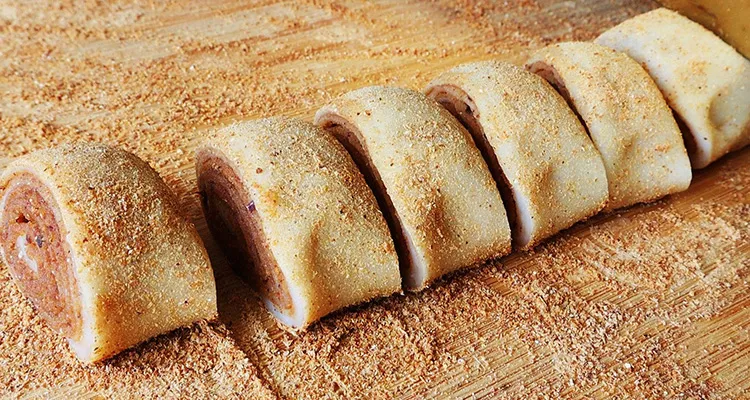
Rolling Donkey (Lüdagun): Sweet glutinous rice rolls coated in soybean flour. The name comes from its resemblance to a donkey rolling in yellow dust.

Tanghulu: Bright red, sugar-coated hawthorn berries on sticks—a winter staple in Beijing since the Song Dynasty.
Travel Costs
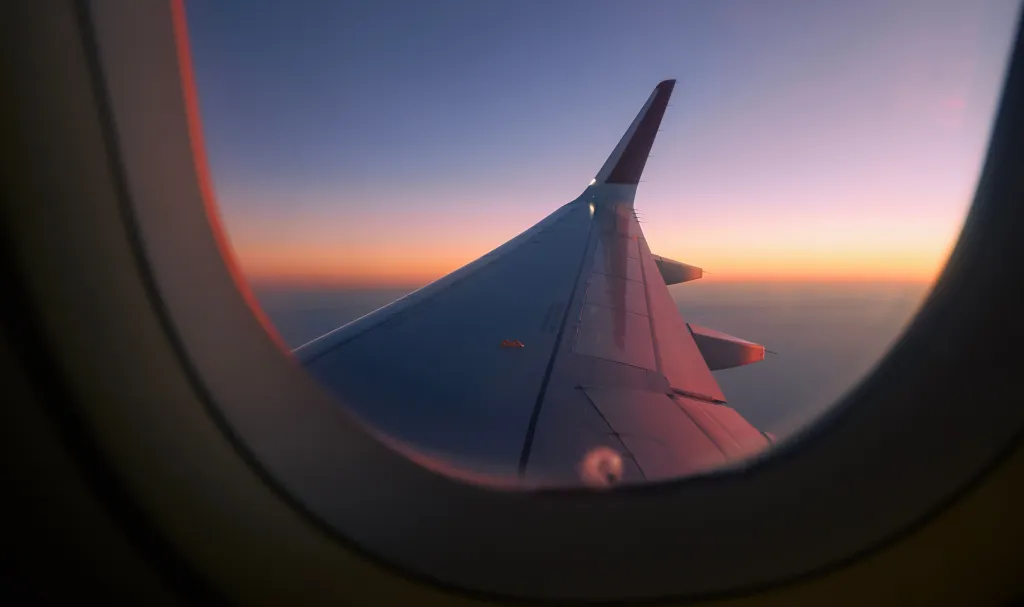
The Flight Plan(Delta)
Route:
Leg 1 (Domestic): You’ll start with a short hop from PNS or VPS to Delta’s headquarters at Hartsfield-Jackson Atlanta International Airport (ATL).
Leg 2 (The Hub Connection): From Atlanta, you’ll likely connect to one of Delta’s primary West Coast gateways—Seattle (SEA), Detroit (DTW), or Los Angeles (LAX)—which serve as the main jump-off points for transpacific flights.
Leg 3 (The Long Haul): The final “Superior” leg is a roughly 13 to 16-hour flight over the Pacific. If you connect via Seoul-Incheon (ICN), you’ll fly with Delta’s partner, Korean Air, which is widely considered one of the best in-flight experiences in the world.
Price:
For your 2026 trip, a Delta Air Lines journey from Northwest Florida (PNS or VPS) to Beijing typically costs between $1,200 and $1,900 for a round-trip ticket, including all the connections and legs involved.
Additional Budget Considerations
- Passport/Visa: Ensure you have $185 for the Chinese Tourist Visa fee [Day 3 Itinerary].
- Airport Choice: Flying into Beijing Capital (PEK) is often slightly cheaper (around $290 starting price for some carriers), but Beijing Daxing (PKX) offers a more modern terminal experience for approximately $348+.
The total price for a solo traveler on this 3 day Beijing itinerary is approximately $1,960 to $2,955.
Culture Tips
The City of Manners: Tips for Beijing Etiquette:
- The Two-Hand Rule: This is the most important one. When you are paying for your meals or handing your passport to a museum official, always use two hands. Using one hand can be seen as dismissive or seen as rude in chinese culture.
- Chopstick Taboos: Since we are history nuts, remember that rituals matter. Never stick your chopsticks vertically into a bowl of rice. This looks like incense sticks at a funeral and is a major “no go.” Also, don’t use them to point at people or the Great Wall battlements, as this can be seen as rude.
- The Concept of “Face” (Mianzi): Public outbursts or aggressive complaining will cause you to “lose face” and make locals very uncomfortable. Even if your Delta flight is delayed or you’re tired from the 294 steps at the Wall, stay calm and polite.
- Personal Space: Beijing is a city of 21 million people. Personal space “bubbles” are much smaller than in Florida. Don’t be offended if people stand closer to you in line at the Military Museum than you’re used to. It’s not meant to be rude, it’s just life in Beijing
Quick Language Survival Kit:
You don’t need to be fluent in mandarin, but these three phrases will help you a lot in quick scenarios:
- Nǐ hǎo (Nee-how) – Hello.
- Xièxiè (Shieh-shieh) – Thank you.
- Ting bù dǒng (Ting-boo-dong) – I hear you, but I don’t understand (perfect for when you’re overwhelmed or stressed!).
For extra help:
Here is a video with 100 vital chinese phrases you will most likely need on the trip!
Is Your China Adventure Just a Phone Call Away?
If you want to see a place that has not changed since ancient China, come to Beijing. The Great Wall is over 13,000 miles long and stretches as far as the eye can see; this wall alone will give you an idea of how big and old Beijing really is. Another example is the extent of the military museum; it can hold aircraft used in wars and show your size compared to tons of war vehicles? Are you Ready to Answer the Call of the Dragon?